About ZeroNext
Bridging the gap between profitability and sustainability in agriculture through Miscanthus and Paulownia cultivation
Our Mission
ZeroNext's mission is to bridge the gap between profitability and sustainability in agriculture. We empower landowners to regenerate their lands with Miscanthus and Paulownia, and enable investors to fund these green ventures for fair returns. By aligning economic incentives with ecological benefits, we aim to accelerate the transition toward a net-zero carbon world. In short, we help people do well by doing good – cultivating crops that build a better future for communities and our climate.
Founded by experts in renewable farming and carbon finance, ZeroNext was created to answer a pressing question: how can we tackle climate change while supporting farmers and investors? Our answer is to champion high-yield, climate-friendly crops and a partnership-driven business model. We believe in innovation rooted in nature – combining modern agricultural science with time-tested practices of land stewardship. Every project we undertake is guided by core values of sustainability, transparency, and shared success.
Miscanthus – Renewable 'Grass Gold'
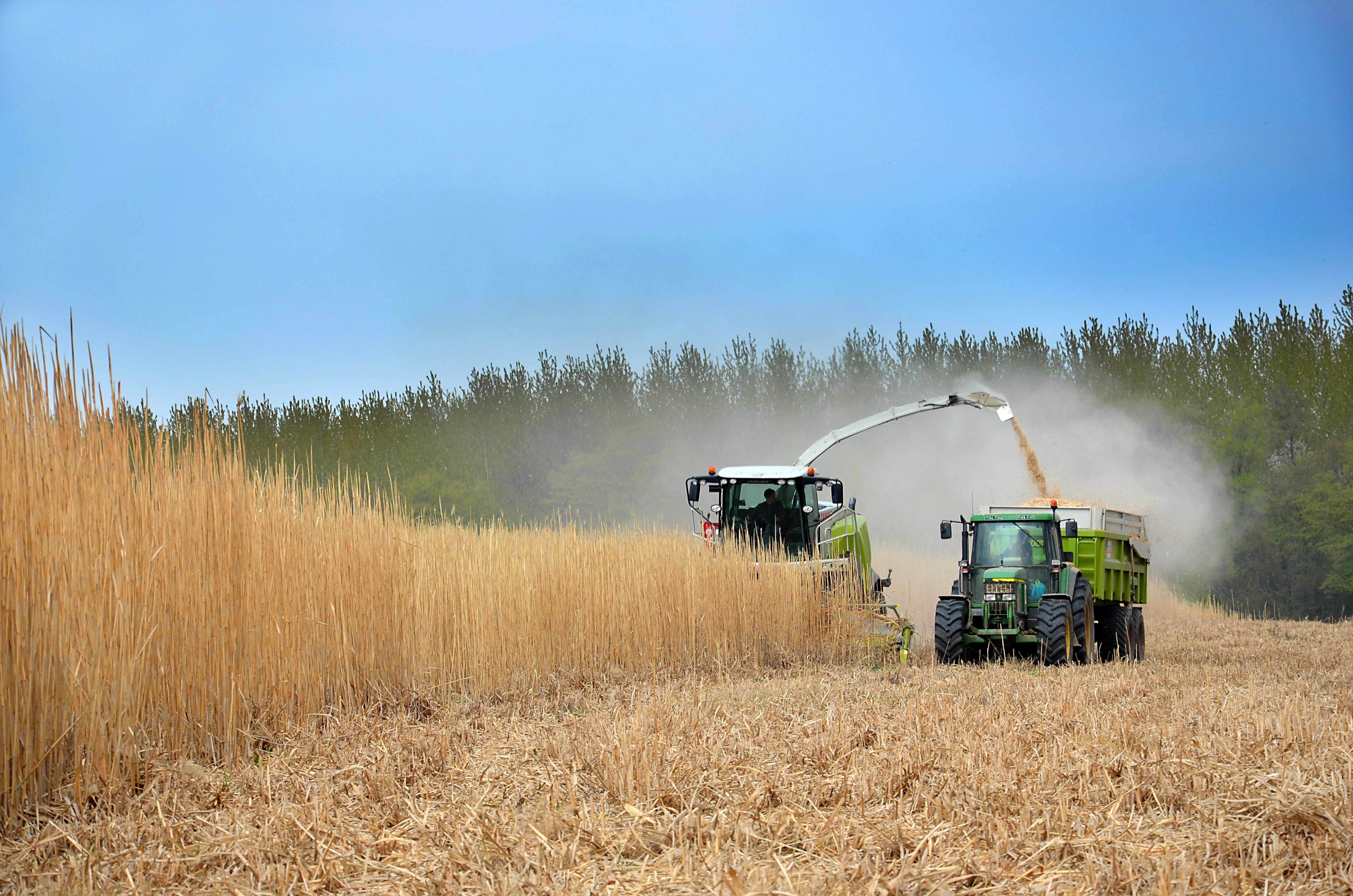
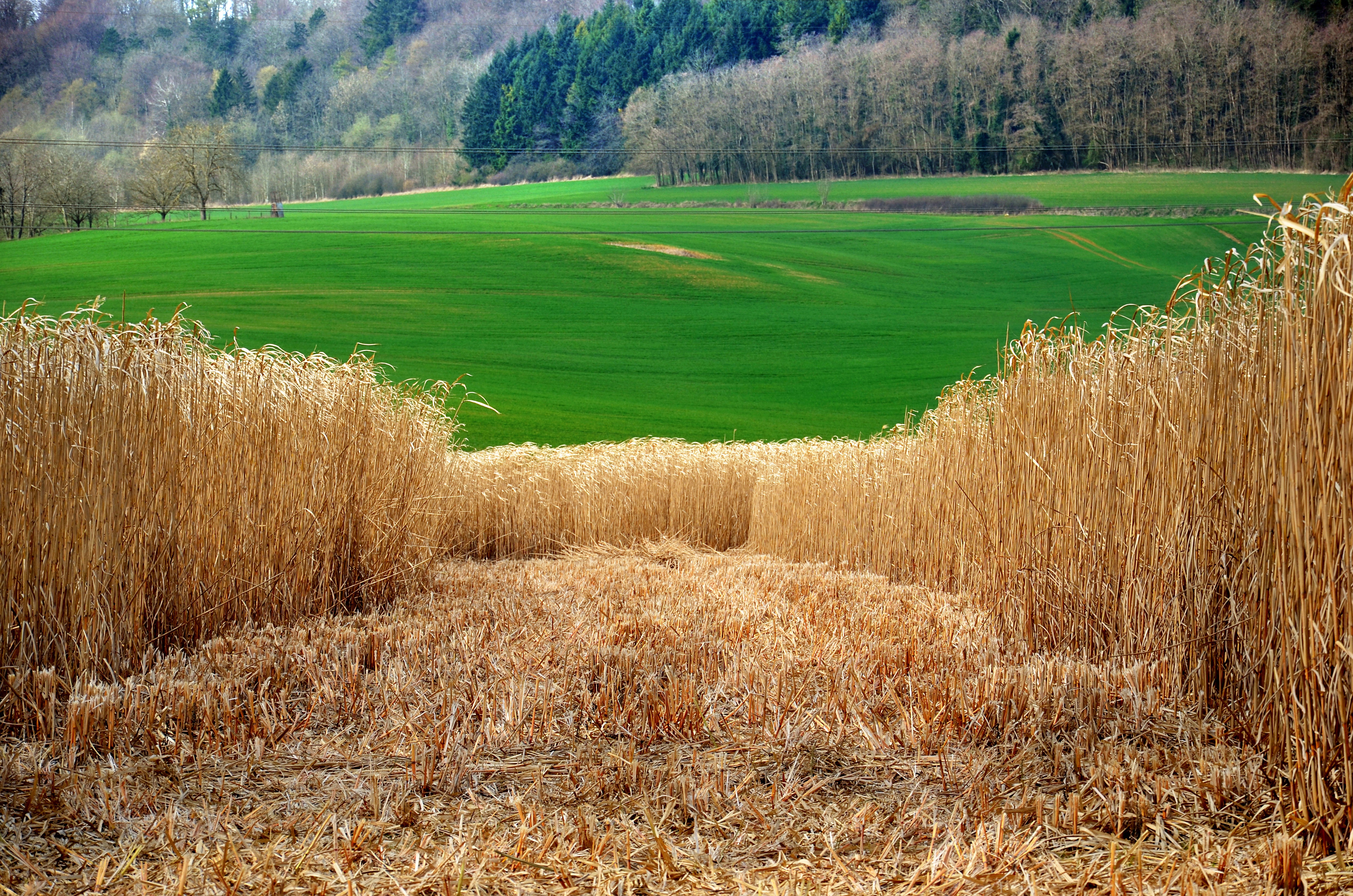
Miscanthus × giganteus is a hardy perennial grass that can reach up to 4 meters in height annually. Once planted, it grows back year after year with minimal need for fertilizer or pesticides, making it low-maintenance for farmers. Miscanthus thrives on marginal lands that might not support food crops, turning unproductive acres into profitable biomass plantations. Each autumn, its dry stalks can be harvested and baled as a carbon-neutral bioenergy feedstock, or used in products like natural fiber boards and animal bedding. The crop's extensive root system also improves soil structure and prevents erosion, literally rooting sustainability into the land.
Paulownia – The Empress of Sustainable Timber
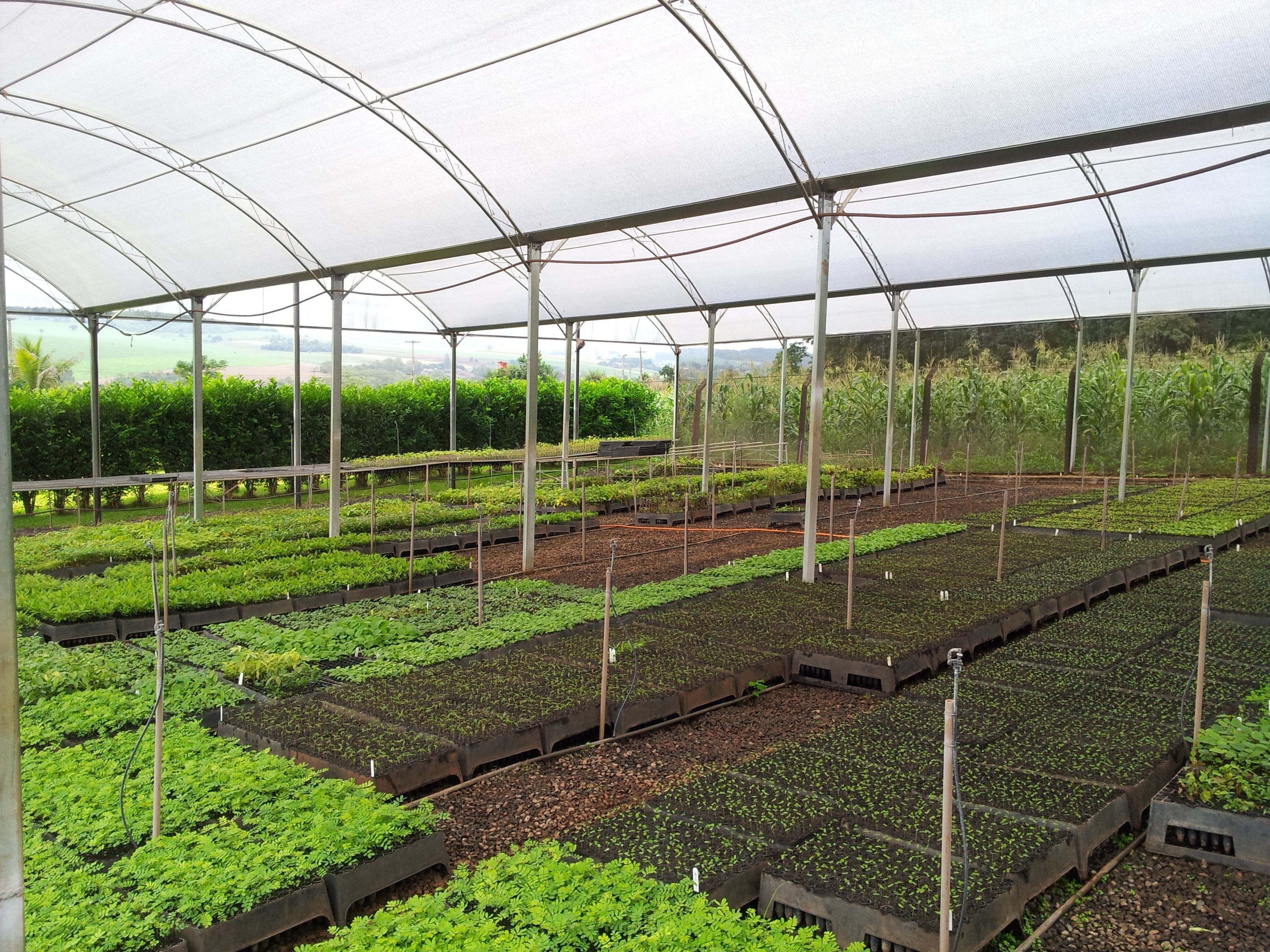
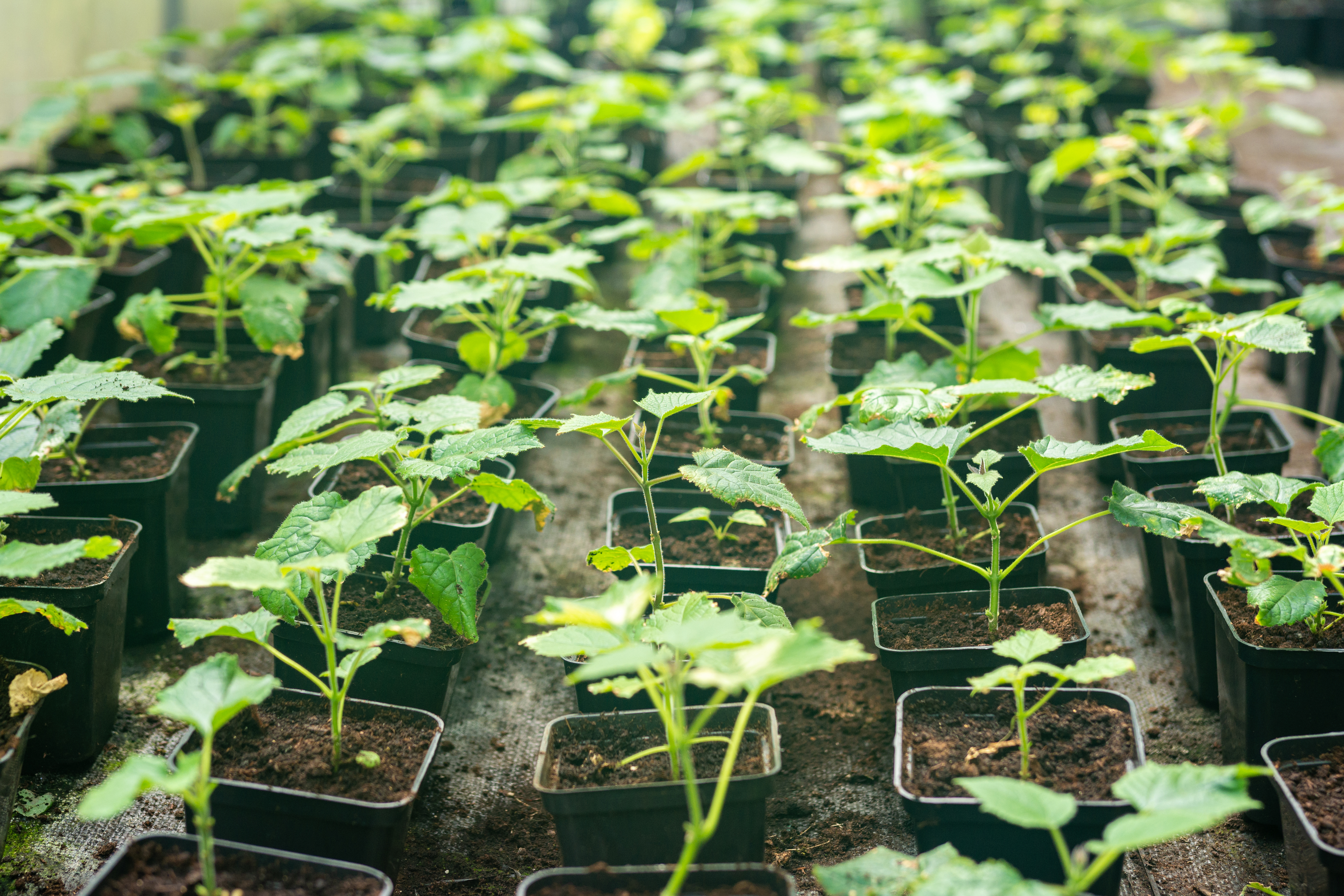
Paulownia (often called the Empress Tree) is one of the fastest-growing trees in the world, capable of reaching 15-20 meters in just 7-10 years. This rapid growth yields a light yet strong hardwood prized in global markets for furniture, construction, and even surfboards. By planting Paulownia, landowners can cultivate a valuable timber crop in a fraction of the time of traditional trees like oak. Moreover, Paulownia's broad leaves and deep roots confer huge environmental benefits: they restore degraded soils and absorb CO₂ at exceptional rates. No other tree sequesters carbon as quickly, meaning Paulownia plantations act as powerful carbon sinks.
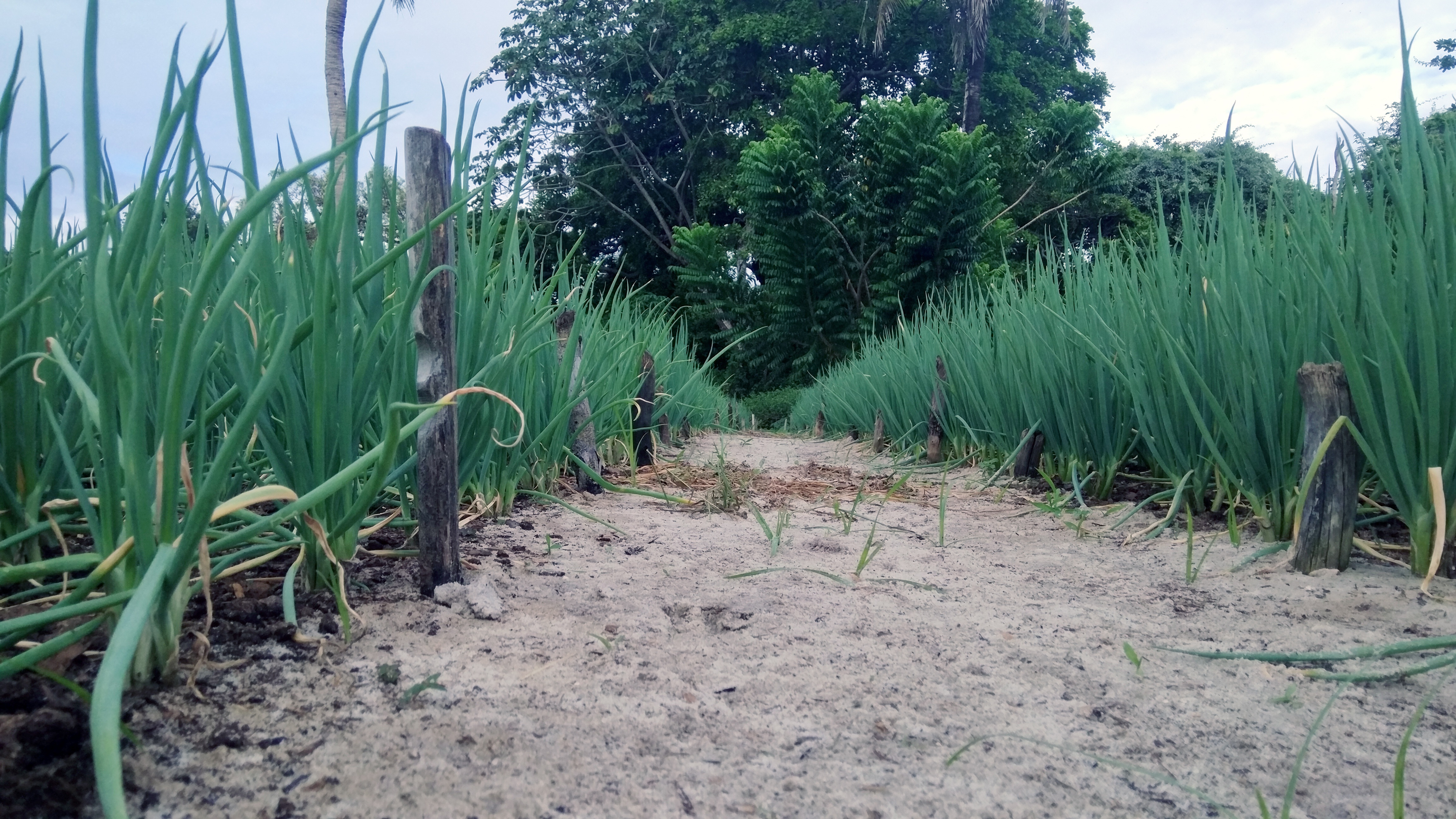
Why These Crops?
ZeroNext has chosen these crops for their unique ability to generate economic returns while healing the environment. By integrating Miscanthus and Paulownia into our projects, we create diversified income streams (annual grass harvests and periodic timber sales) along with significant ecological gains. This is how we redefine farming for the 21st century – not either/or, but both profitable and sustainable.
Because the trees can resprout from their stumps after harvest, a single planting can yield multiple timber cycles, multiplying both profits and carbon capture. Even if your land is sloping or low-quality, we can likely put it to productive use.
Ready to get started?
ZeroNext's approach is comprehensive and hands-on. We don't just propose an idea – we partner with you every step of the way, backed by deep expertise in agronomy, forestry, and carbon markets.