
Climate Impact &
Carbon Credits
Capturing Carbon at Scale
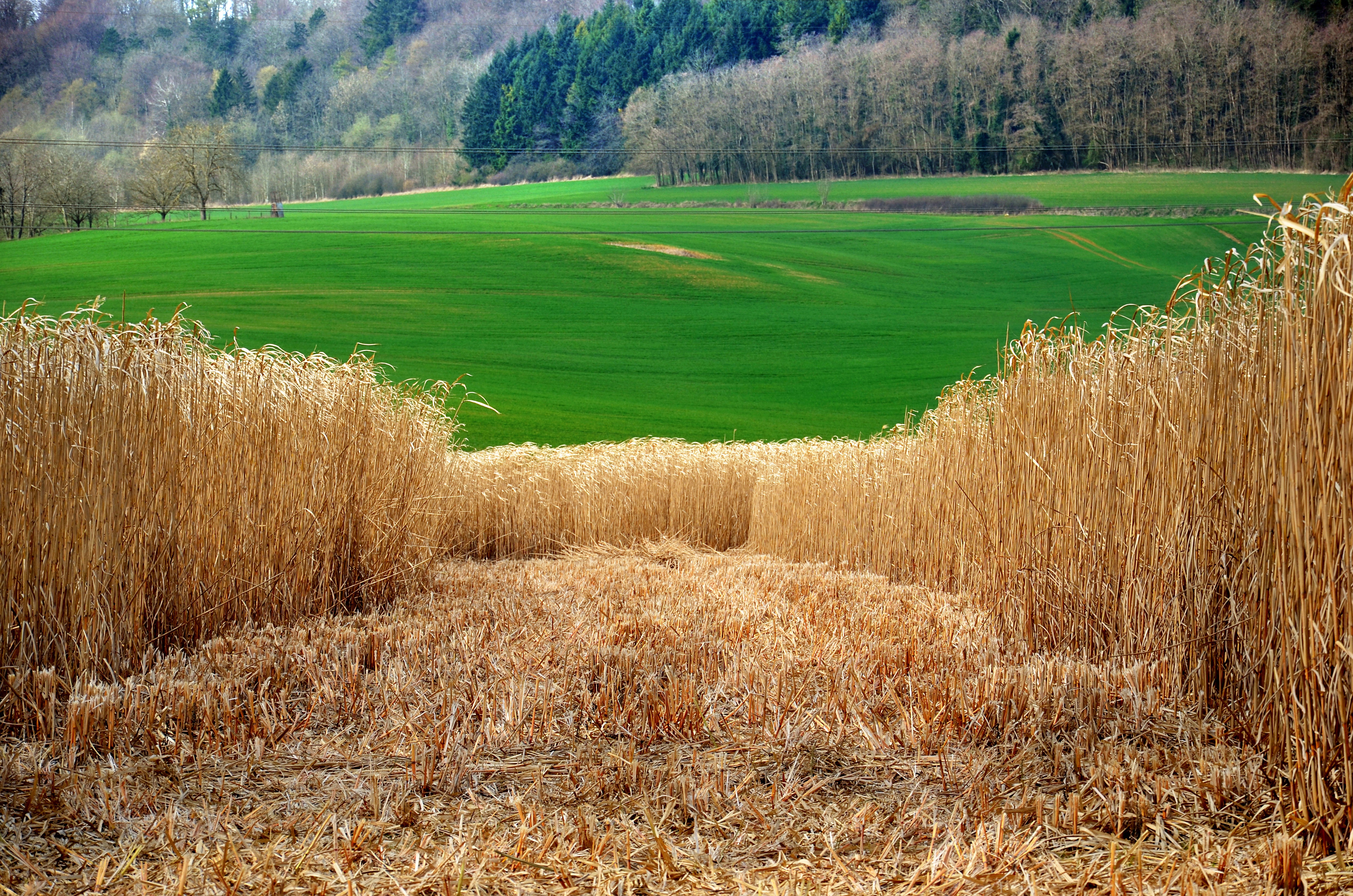
Nature is one of the most powerful technologies we have for carbon capture. Both of our champion crops excel at taking CO₂ out of the air. Miscanthus acts like a green sponge for carbon, absorbing CO₂ through photosynthesis and converting it into biomass and extensive root networks underground. Paulownia trees are often nicknamed 'oxygen factories,' sequestering carbon at an outstanding rate - up to 10-20 tons of CO₂ per hectare per year under good conditions.
When we harvest Paulownia for lumber, the carbon remains locked inside the timber products for potentially decades or longer. And because the trees regrow after harvest, the new growth starts the carbon capture cycle all over again. Essentially, our plantations are efficient, renewable carbon storage units that also yield valuable commodities.
ZeroNext's Step-by-Step Process
ZeroNext's approach is built on a simple but powerful idea: connect land, expertise, and capital to cultivate sustainable prosperity. We partner with landowners to plant Miscanthus and Paulownia, funded by investors who share our vision for green growth. Our team handles the project from start to finish.
Site Evaluation & Planning
Every project begins with identifying the right land. ZeroNext's agronomists work with landowners to assess soil conditions, climate, and acreage to determine the optimal planting mix of Miscanthus and Paulownia. We design a custom cultivation plan for each site, aiming to maximize yield and ecological benefits.
Planting & Establishment
ZeroNext oversees the entire planting process using best-in-class methods. For Miscanthus, we plant rhizomes or shoots in prepared fields; for Paulownia, we plant fast-growing saplings. We provide seedlings, nutrient management, and irrigation support to ensure high survival and healthy growth.
Maintenance & Growth
As the Miscanthus and Paulownia mature, ZeroNext stays closely involved to support optimal growth. We implement monitoring systems to track plant health and soil improvements over time. Healthy crops mean consistent yields for decades.
Harvest & Market Sales
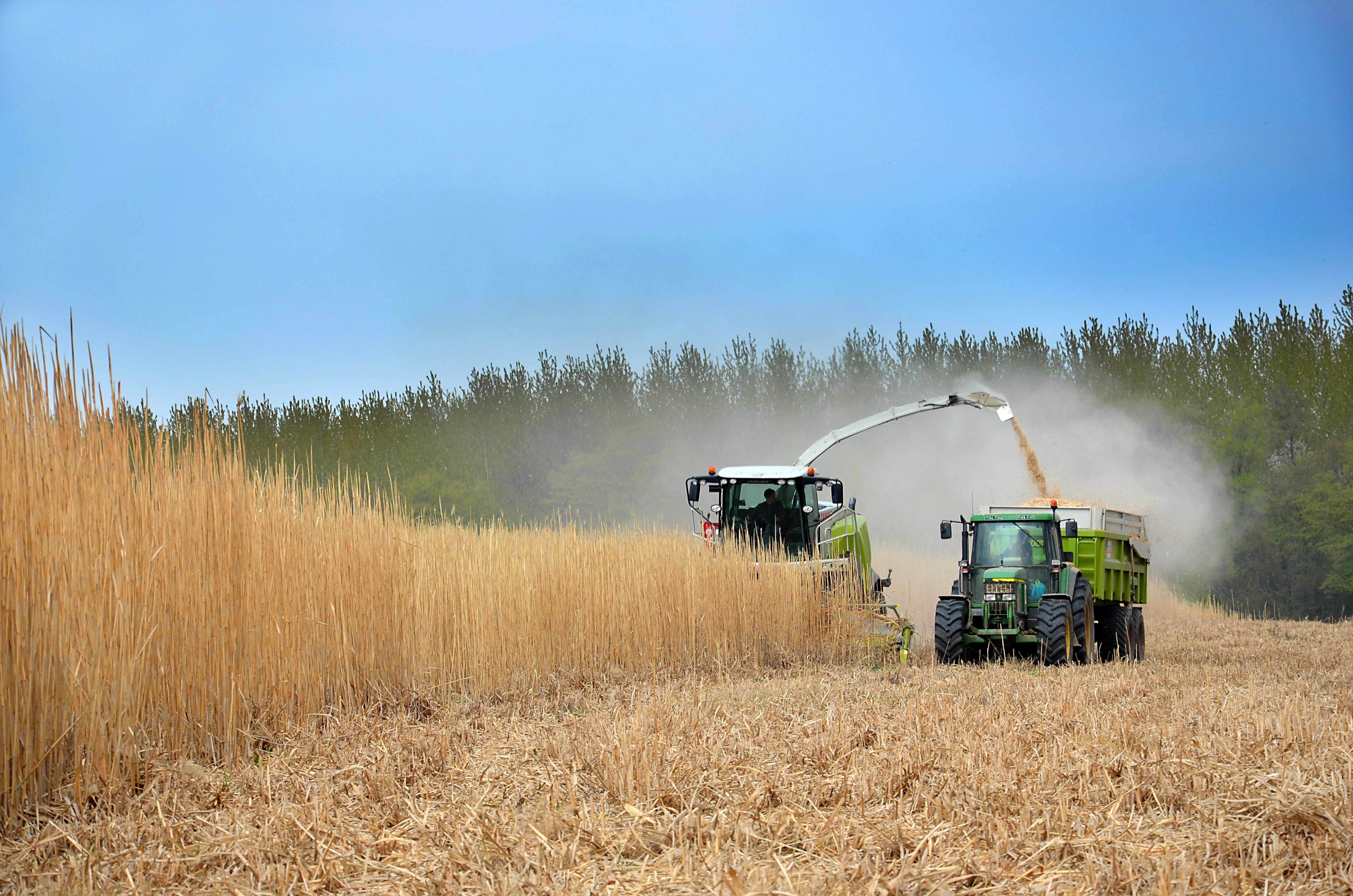
When it's time to harvest, ZeroNext coordinates and manages the process. Miscanthus is harvested annually after the growing season, while Paulownia timber is harvested once trees reach target size, usually around year 7-10 for the first cycle.
Returns & Carbon Credits
ZeroNext operates on a win-win revenue sharing model. After each sale, proceeds are distributed transparently. Additionally, we document carbon sequestration and work with verification bodies to turn these gains into certified carbon credits for bonus revenue.
Beyond Carbon - Holistic Environmental Benefits
While carbon removal is critical, ZeroNext's approach is holistic. We design our agricultural projects to deliver multiple environmental co-benefits. Our Miscanthus and Paulownia actively improve soil structure and fertility on degraded land. The roots break up compacted soil and enhance water infiltration, while leaf litter enriches nutrient content.
Our perennial crops provide year-round cover for wildlife and support pollinators like bees and butterflies. We create agroforestry belts and mosaic patterns that wildlife can use as corridors, making project areas mini refuges for flora and fauna.
How ZeroNext Projects Fight Climate Change
Every ZeroNext project contributes to fighting climate change through multiple pathways. Our Miscanthus and Paulownia plantations offer diversified climate benefits while generating economic returns.
From direct carbon sequestration to renewable energy production, our sustainable agriculture approach creates lasting positive impact.
Miscanthus Carbon Capture
Miscanthus acts like a green sponge for carbon, absorbing CO₂ through photosynthesis and storing it in extensive root networks underground. Over years, it significantly increases soil organic carbon levels.
Paulownia Supercharged Sequestration
Paulownia trees sequester carbon at an outstanding rate - up to 10-20 tons of CO₂ per hectare per year. They absorb carbon 7× faster than newly planted native woodlands.
Sustainable Agriculture Practices
Our regenerative farming practices cut emissions through minimal tilling, reduced fertilizer use, and efficient nutrient recycling that minimizes nitrous oxide emissions.
Renewable Energy Production
Miscanthus biomass serves as a carbon-neutral renewable fuel, displacing fossil fuels. When burned, it releases only the CO₂ that the next crop growth will recapture.
Ecosystem Restoration
Our projects restore degraded land, improve soil structure and fertility, enhance water retention, and create wildlife habitats that boost local biodiversity.
Carbon-Negative Materials
Paulownia timber locks carbon inside wood products for decades. When harvested for lumber, the carbon remains stored in furniture and construction materials.
Land Use Optimization
By utilizing marginal lands unsuitable for food crops, we maximize carbon capture without competing with agriculture, creating additional carbon sinks.
Lifecycle Benefits
Our perennial crops require fewer tractor passes and inputs once established, reducing the carbon footprint of cultivation itself while maximizing net climate benefits.

Carbon Credits - A Bonus for Doing Good
As our projects green the landscape and pull carbon from the air, they generate verified carbon offset credits. A carbon credit represents one ton of CO₂ kept out of the atmosphere. Unlike many initiatives that focus on carbon credits first, ZeroNext treats carbon credits as a secondary reward - the 'icing on the cake.' Our primary focus is growing sustainable crops and sharing the direct profits from them.
Verified Impact & Premium Credits
We measure the growth and carbon sequestration of our projects meticulously, using tools like biomass sampling and remote sensing. This data is used to calculate how much CO₂ has been absorbed by the crops. We submit these calculations to independent auditors under recognized carbon standard methodologies, and once verified, our projects are issued carbon credits equivalent to the tonnes of CO₂ sequestered.